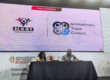
The 82nd IATA Annual General Meeting and World Air Transport Summit took place from 6–8 June 2026 in Rio de Janeiro, marking the first AGM held in South America since 1999, when Rio also served as host city. Hosted by LATAM Airlines Group, the event brought together approximately 1,500 airline executives, government officials, technology providers, and media representatives from across the global aviation ecosystem.
The symbolism of the location was significant. Aviation contributes approximately 2.1% of Brazil’s GDP and supports nearly 1.9 million jobs, highlighting the sector’s importance to economic growth and connectivity.
The headline address came from outgoing IATA Director General Willie Walsh, delivering his final State of the Industry presentation before departing to become CEO of IndiGo. Walsh warned that jet fuel prices are expected to increase dramatically, potentially adding around $100 billion to airline fuel costs and reducing global industry net profits from approximately $45 billion in 2025 to $23 billion in 2026.
He also delivered a strong message to aircraft and engine manufacturers, criticizing persistent supply-chain challenges, escalating maintenance costs, and aircraft delivery delays. According to Walsh, global aircraft backlogs now exceed 18,000 aircraft, while the average fleet age has reached a record 15.2 years.
Sustainability remained a major concern throughout the summit. Walsh cautioned that the aviation industry currently lacks a realistic pathway to achieve the aviation sector’s Sustainable Aviation Fuel (SAF) objectives by 2030, emphasizing the urgent need for coordinated action from governments, fuel producers, manufacturers, and airlines.
AI Takes Centre Stage
Artificial Intelligence emerged as one of the dominant themes of the event. Deloitte’s Global Airline CEO Survey revealed that airline leaders continue to prioritize cost discipline, operational efficiency, and profitability amid growing economic pressures. AI adoption is accelerating across the sector, particularly in revenue management, dynamic pricing, customer engagement, and operational optimization.
Technology leaders including Tata Consultancy Services (TCS) participated as sponsors and showcased solutions focused on creating a greener, more agile, and AI-powered aviation ecosystem. TCS also highlighted its strategic collaboration with Amadeus around the Nevio airline retailing platform.
Adinex AI Highlights Aviation Intelligence Innovation
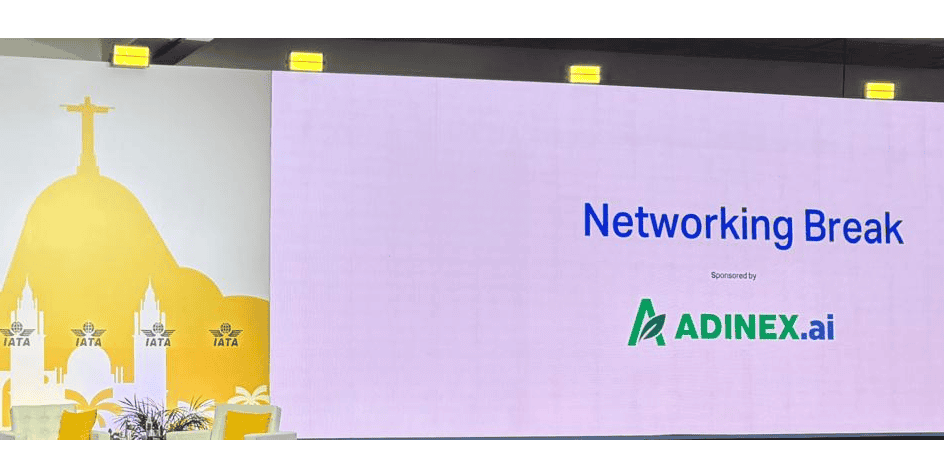
Among the event sponsors, ** Adinex AI** stood alongside aviation and aerospace leaders including CFM International and Rolls-Royce, reflecting the growing importance of AI-driven innovation within commercial aviation.
Adinex AI showcased its advanced aviation intelligence solutions designed to help airlines improve profitability, optimize food loading and onboard inventory, reduce operational waste, enhance ancillary revenue opportunities, and strengthen passenger experience management.
At a time when airline CEOs identify cost control and efficiency improvement as their highest priorities, Adinex AI’s solutions directly address some of the industry’s most pressing challenges. By leveraging artificial intelligence and predictive analytics, airlines can make better operational decisions, improve sustainability outcomes, and enhance customer satisfaction while protecting margins.
Industry Leadership Transitions
The AGM also marked important governance changes within IATA. Roberto Alvo assumed the role of IATA Board Chair, succeeding Luis Gallego. Meanwhile, Mehmet Tevfik Nane was confirmed as Chair-designate and is expected to assume the position in 2027.
Looking ahead, the global aviation community will reconvene in Xiamen, where the 2027 IATA AGM will continue discussions on profitability, sustainability, digital transformation, and the future of air transport.
#IATAAGM2026 #Aviation #Airlines #ArtificialIntelligence #AviationTechnology #DigitalTransformation #PassengerExperience #Sustainability #AdinexAI #AuraPlate #AviationInnovation #FutureOfFlight